Of all terrors, the terrible whiteness
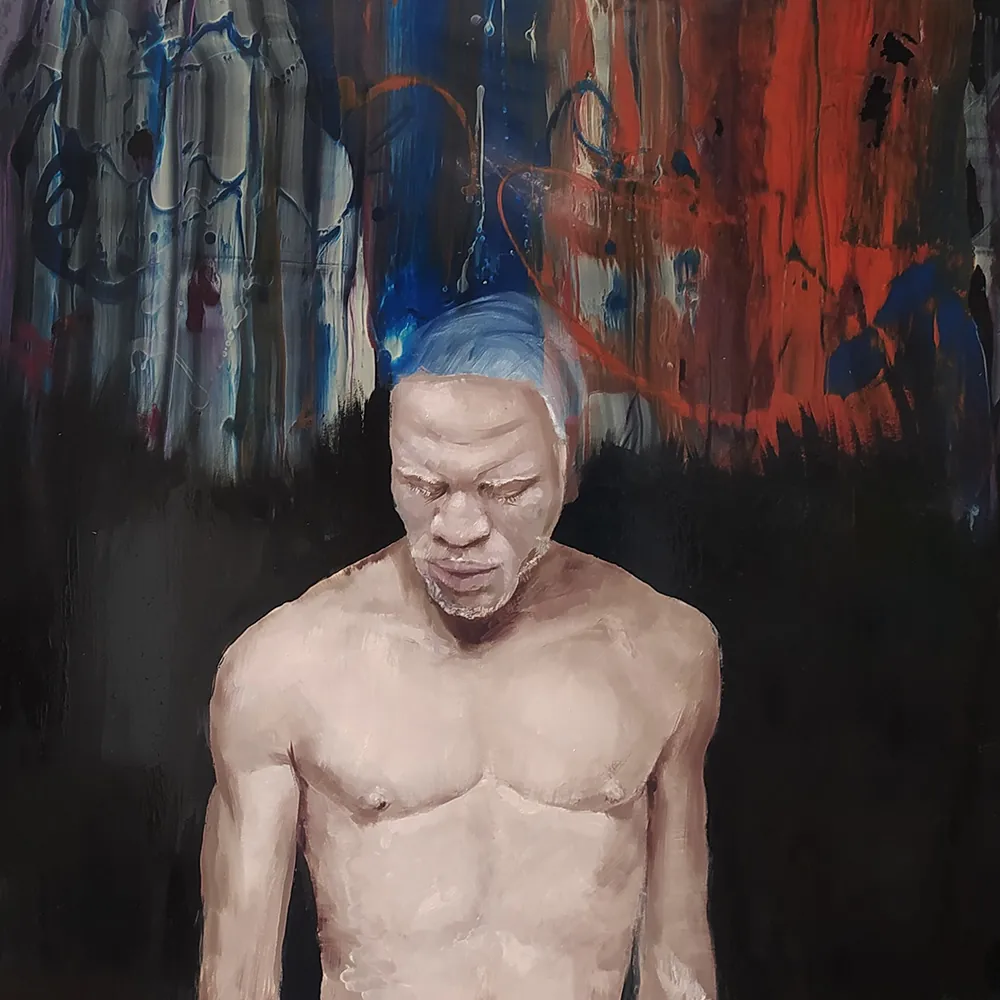
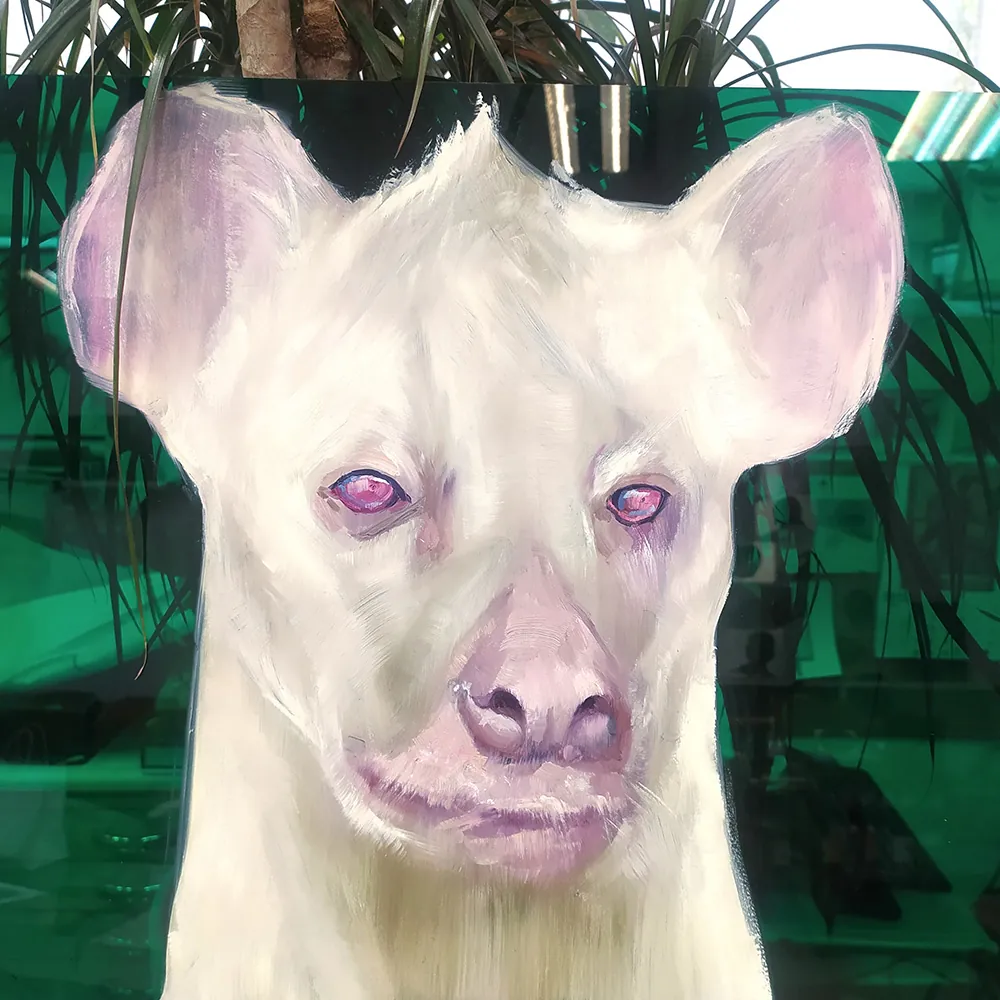
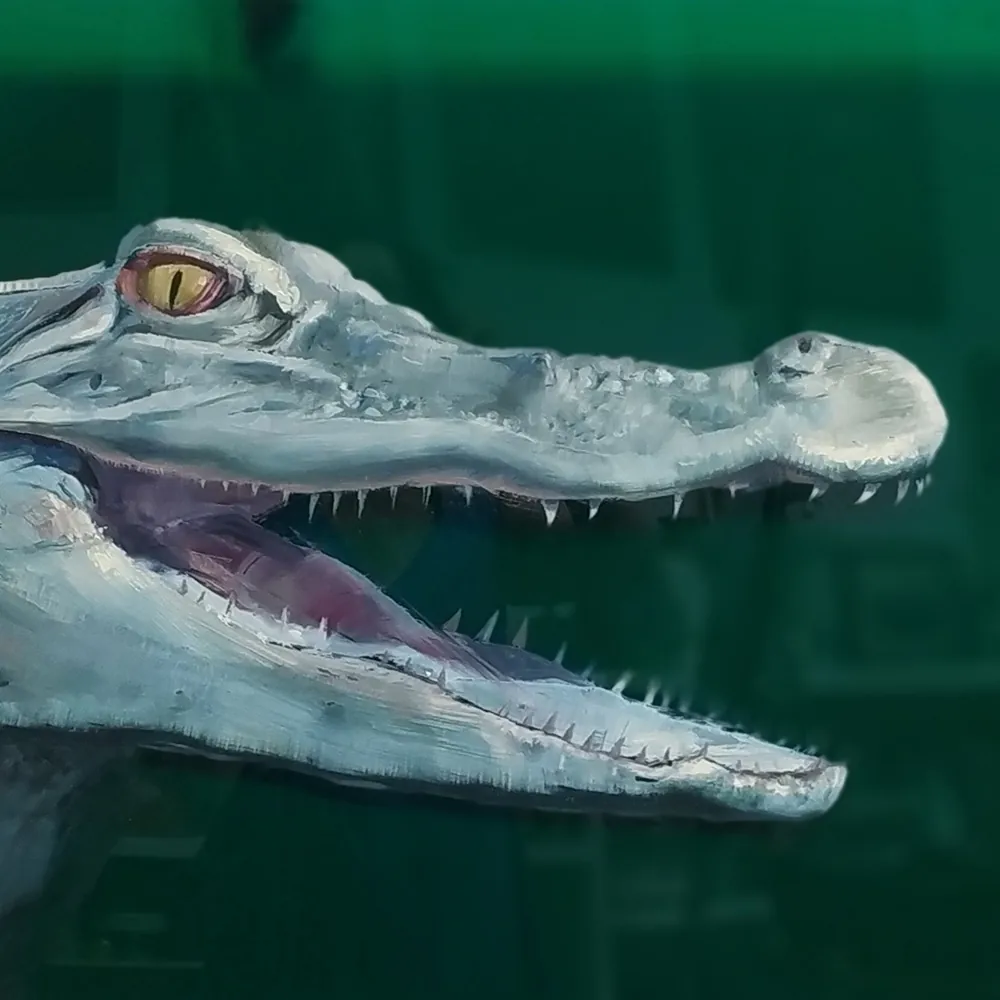
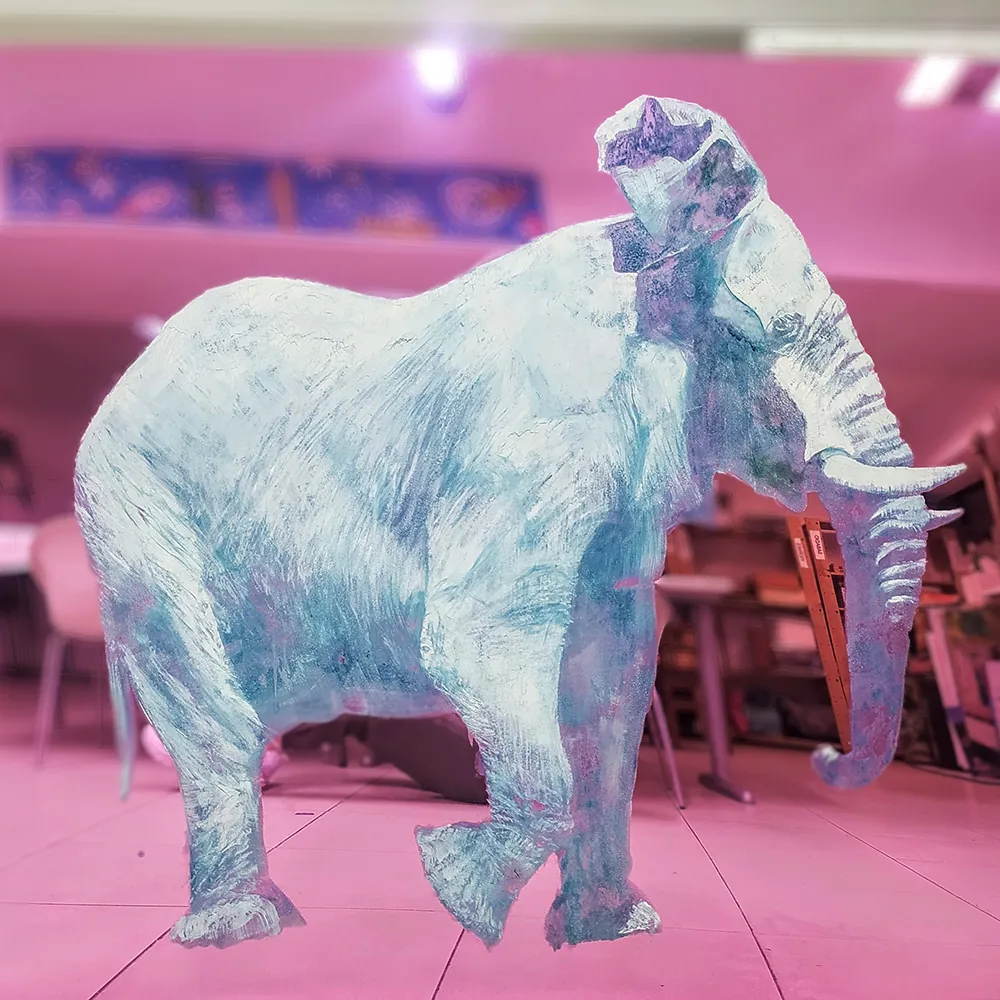
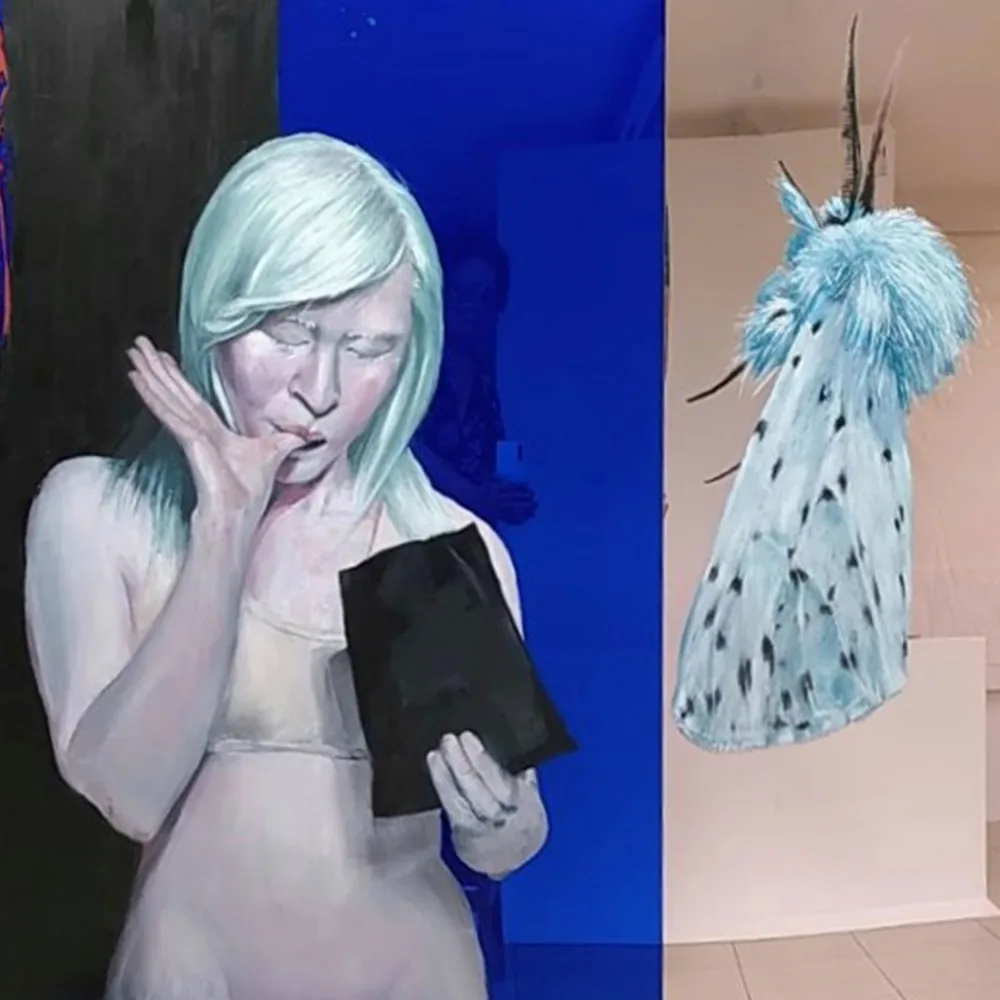
I am interested in albinism from a symbolic and sociological perspective because of its drift into social stigma. From there, it allows me to address otherness, the strange.
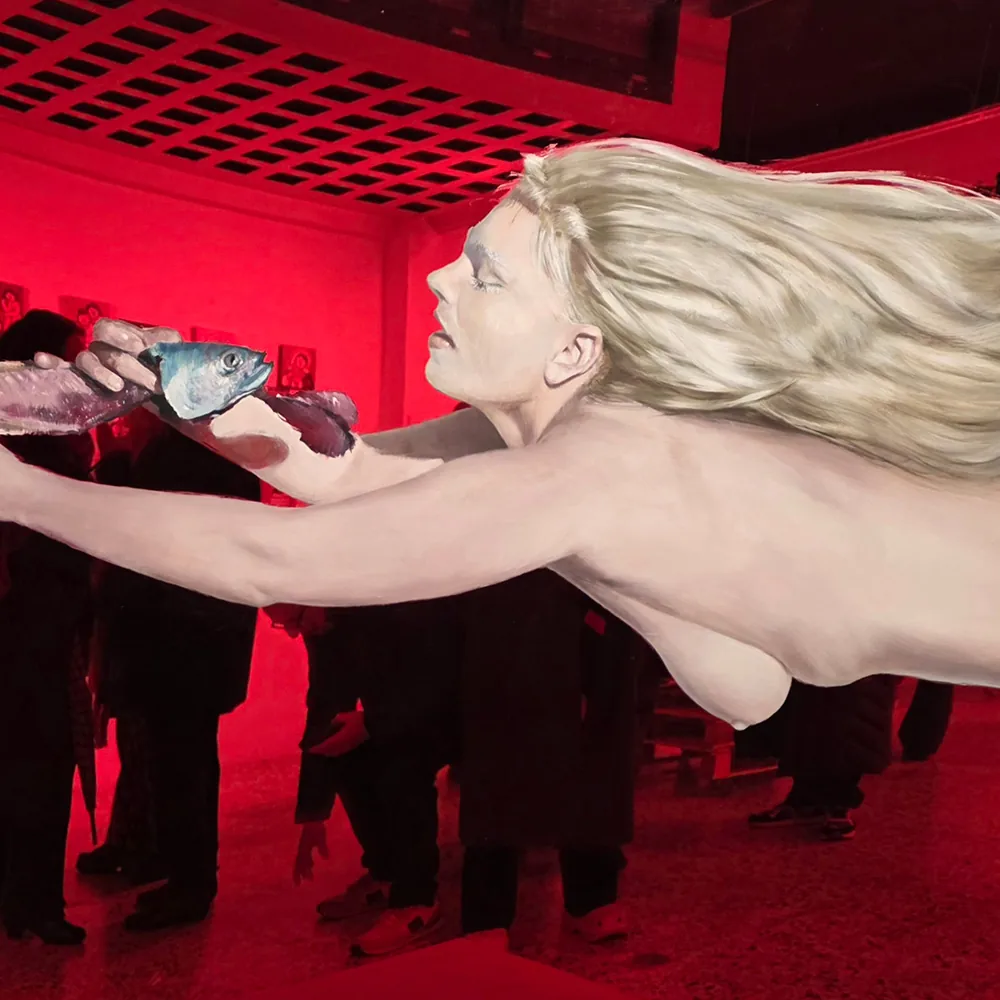
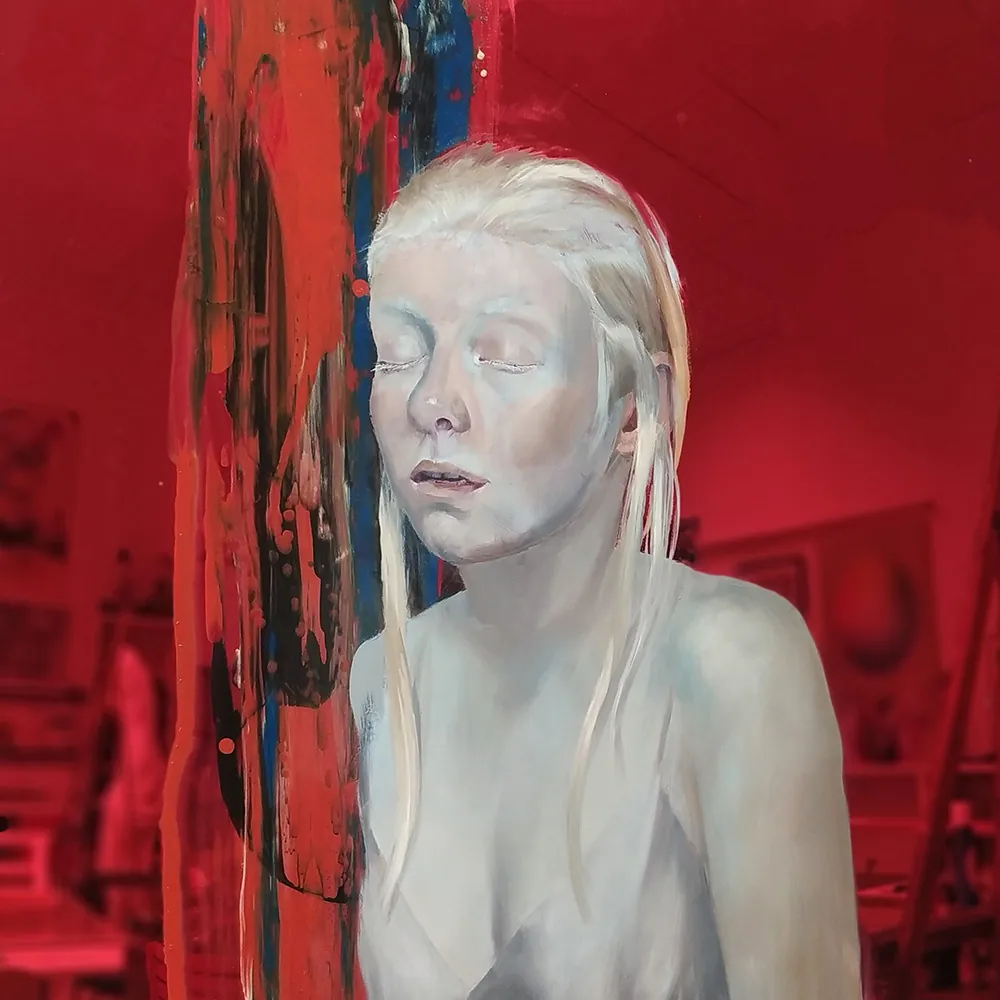
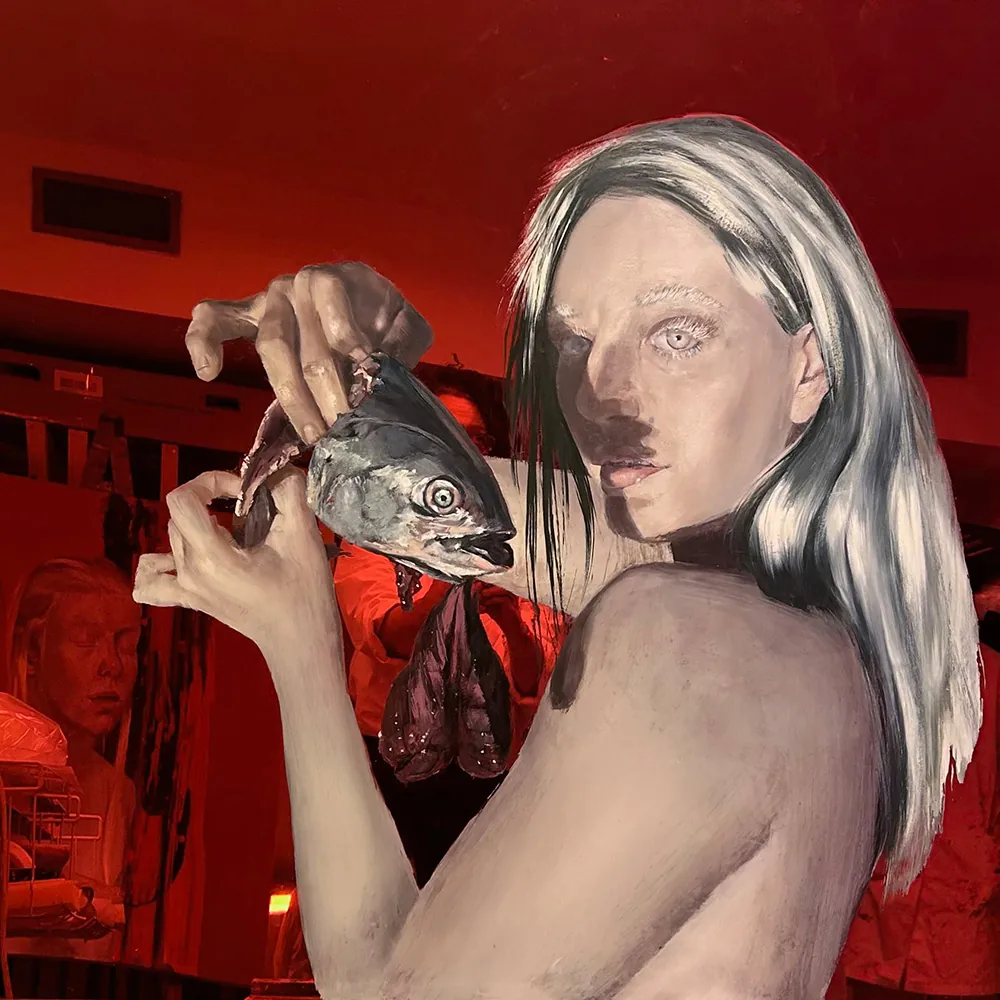
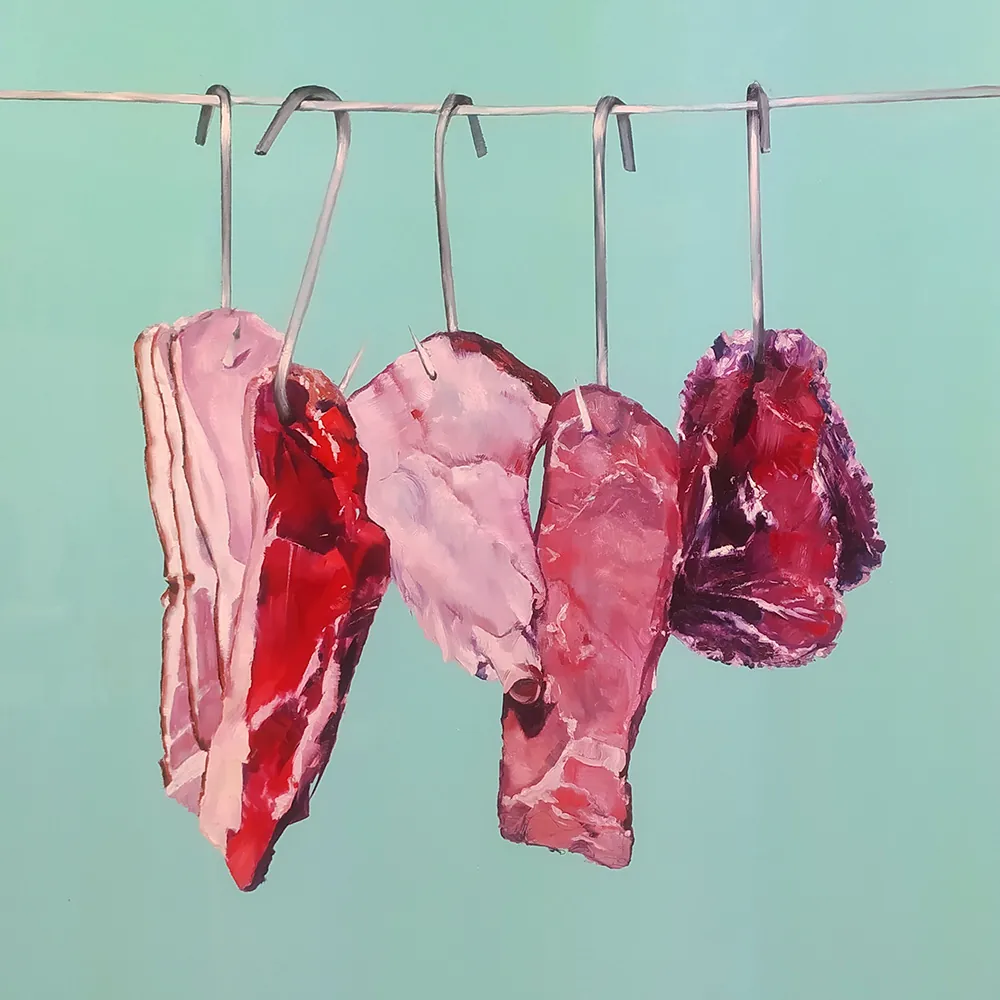
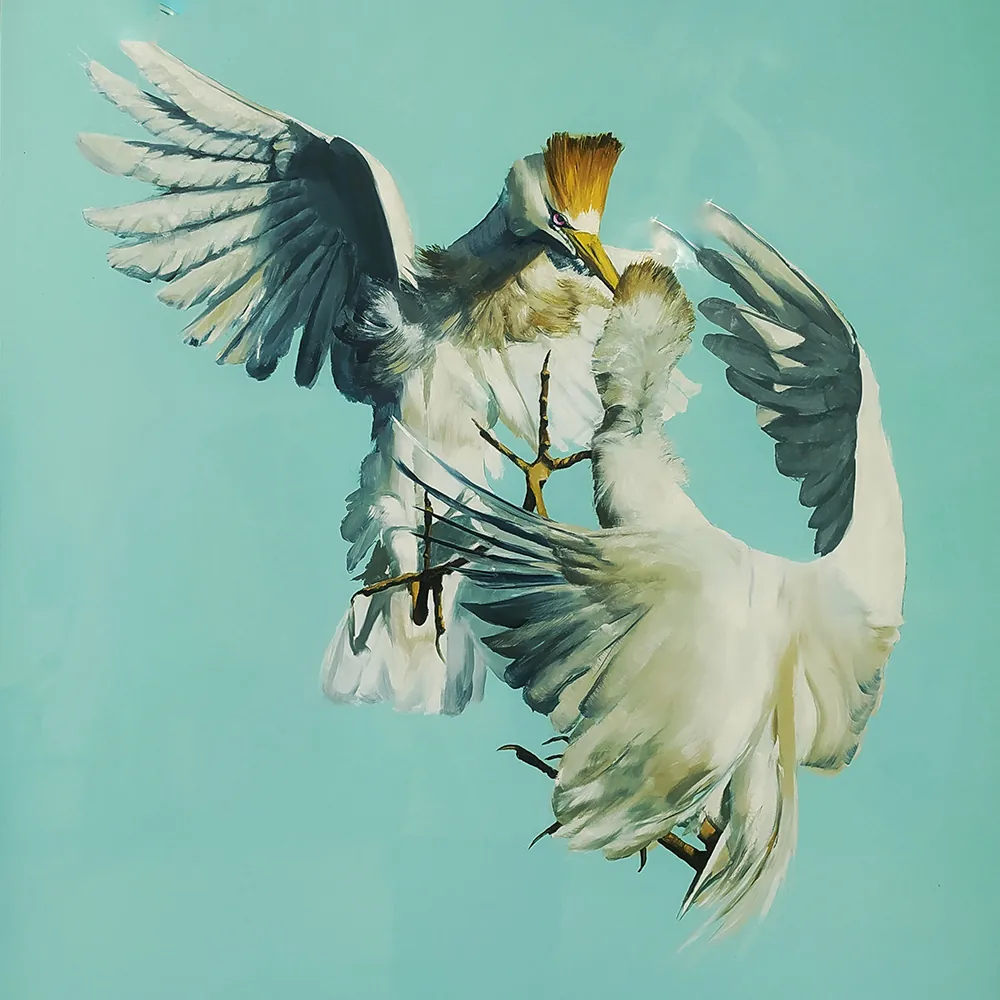
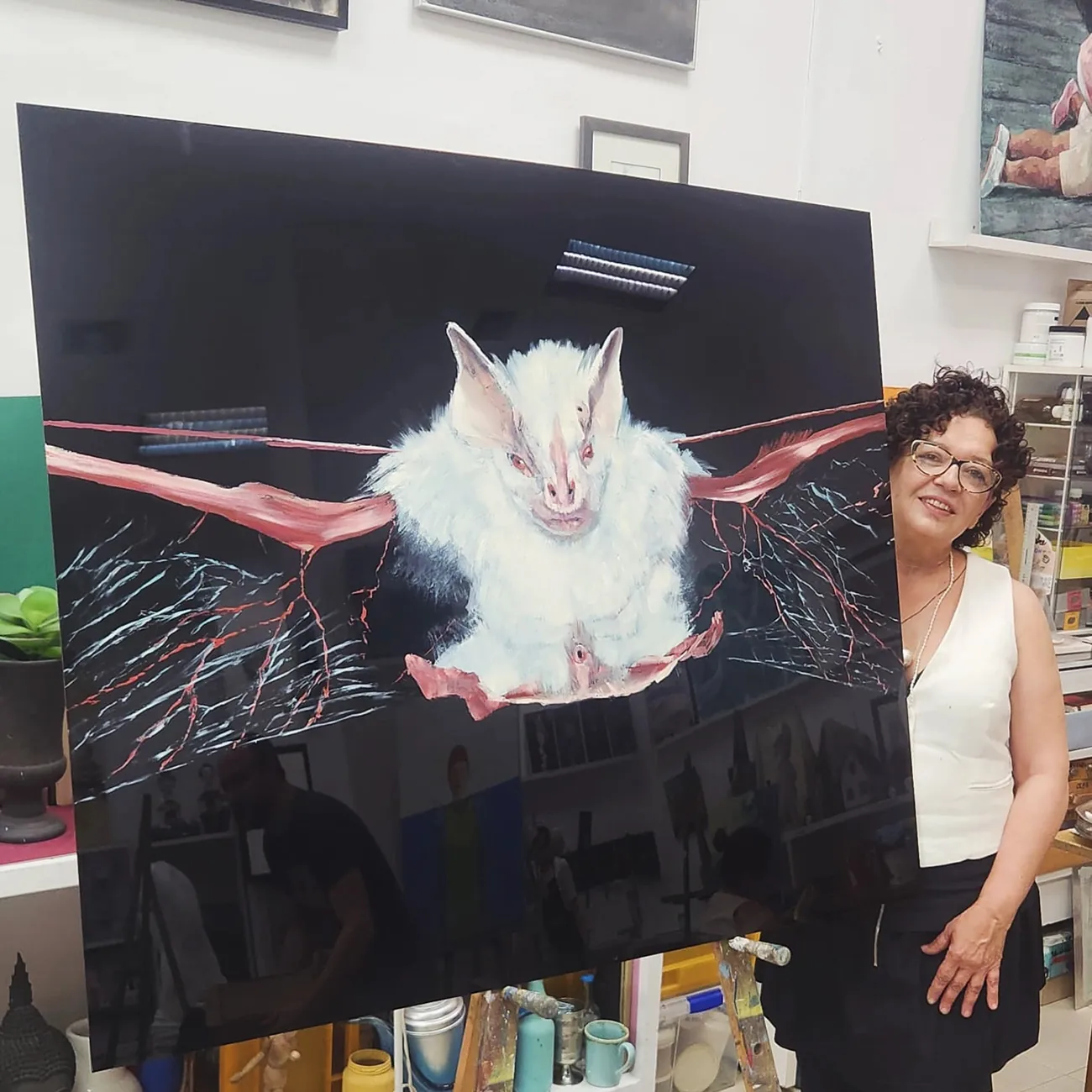
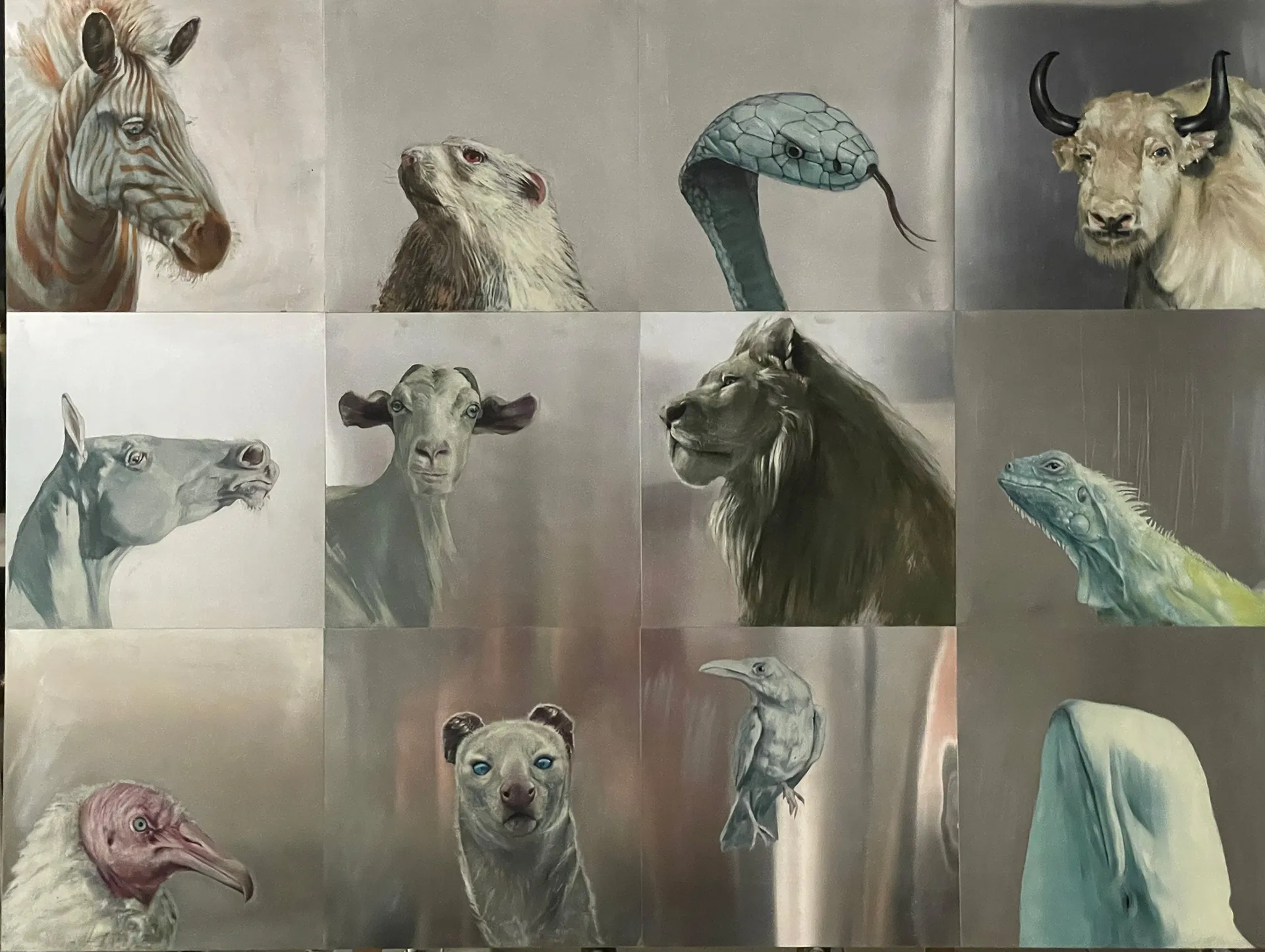
Transforming the beings I represent into albinos provides the link that connects the paintings, both visually and in terms of their fragility and mystery. It invites us to explore the tension between what is obvious or real and what is intangible. Living beings represented with their latent flesh and blood, covered up with a whiteness that is often associated with death or absence of vitality, reveal a paradox, a provocative tension.
The Albino series has evolved from the surface inward. The elements of blood and flesh have necessarily been incorporated into successive layers of meaning, taking them as the matter that sustains life, hidden beneath the pallor. This matter uses its energy, which is recycled and transformed in an endless cycle.
I have gradually become attuned to Arne Naess’s eco-political ideas and the defense of the intrinsic value of all living beings. The entirety of the biosphere is a political object beyond the human realm. When nature ceases to be a resource, it becomes a political subject.
In the formal sphere, I make use of reflective surfaces as a fundamental element, as they are capable of restoring the physicality of what they contain and reflect. I employ various painting materials: mainly enamels and oils. Given their coverage capacity and versatility, they allow me to create figures with a realistic impact and expressive treatment.
A perplexed look at the mechanics of life, the fragility of beings, and their intrinsic violence. The struggle for survival.
The radical sweetness of whiteness heralds the equality of living beings.